Yuba City furnace repair
Furnace blowing cold air, not turning on, or shutting off too soon? Find the likely cause, try a few safe checks, and get furnace repair in Yuba City with one call.
 Find your problem
Common furnace problems and their causes
Furnace not working? Pick the problem that matches what it's doing. Each one explains the usual cause, what you can safely check, and what the pro looks at.
Heater blowing cold
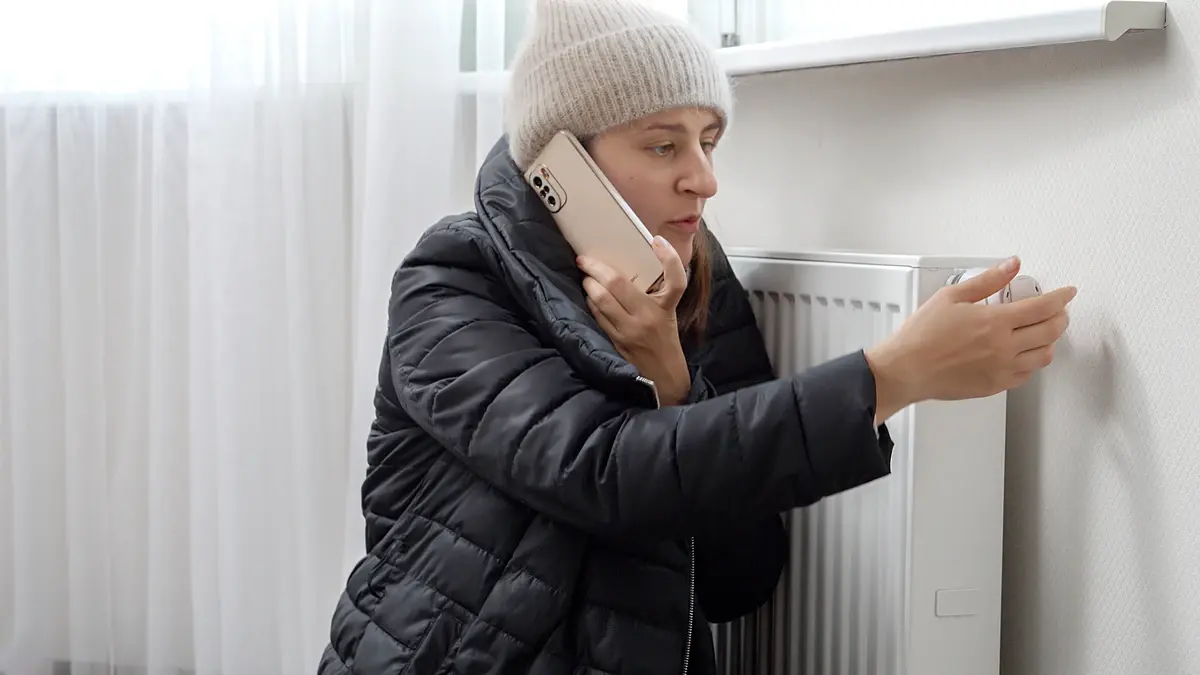
Why is my furnace blowing cold air?
Start at the thermostat. It should say Heat, with the fan on Auto. With the fan on On, the blower keeps running between heating cycles and pushes room-temperature air through the vents, which feels cold on a 38° morning. A minute of cool air right after the burners light is normal while the furnace warms up.
What the pro usually checks
- Flame sensor and igniter
- Limit switch and airflow
- Gas valve and burners
- Thermostat wiring
If the setting is right and the air stays cold, check the filter. A clogged filter traps heat inside the furnace, so a safety switch shuts the burners off while the blower keeps running. When neither one fixes it, a dirty flame sensor or a worn igniter is the usual cause.
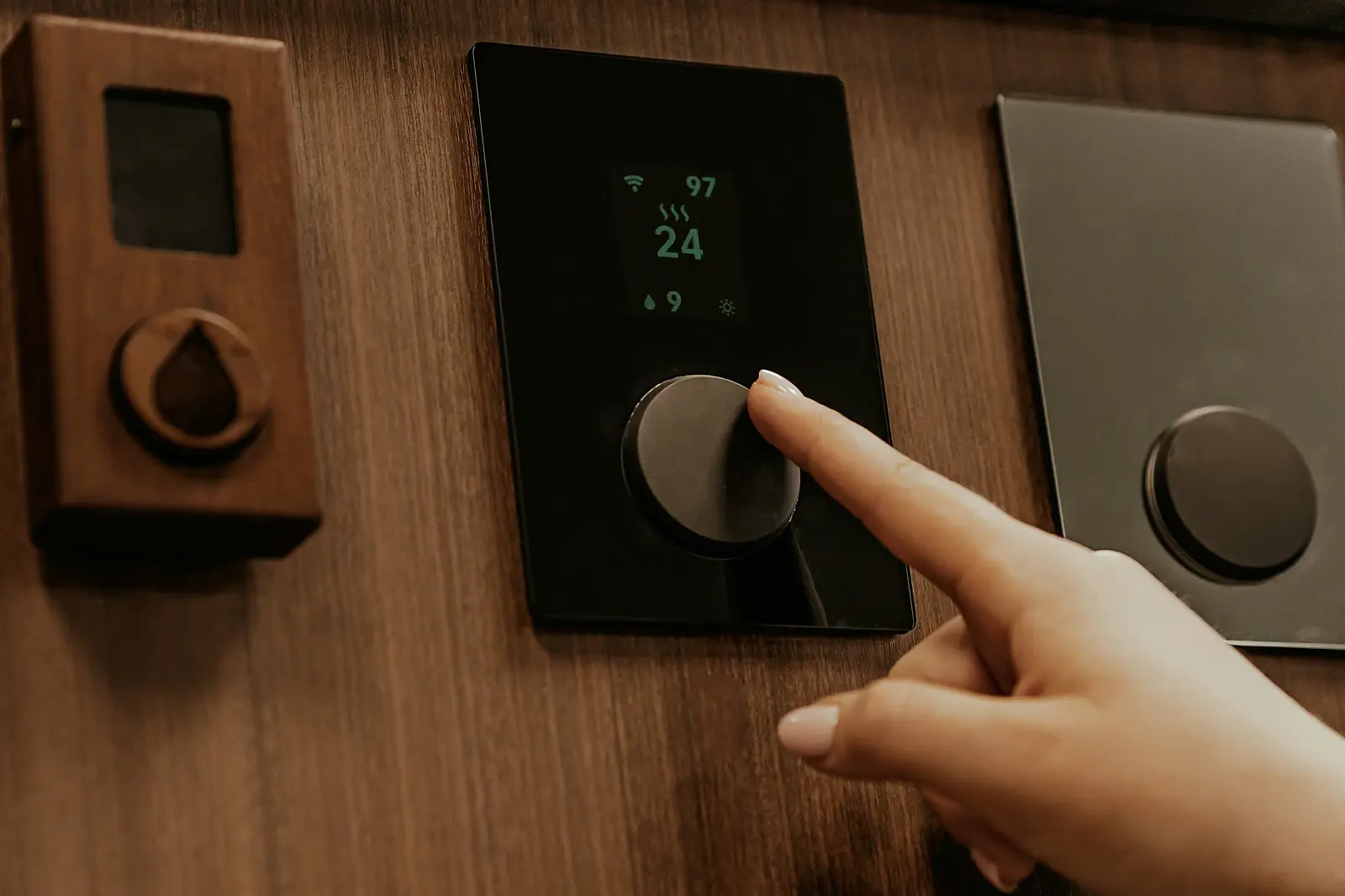
No heat at all
Why won't my furnace turn on?
Most no-heat calls start with something small. Check that the thermostat is set to Heat, a few degrees above the room, with fresh batteries. Then find the furnace's power switch, which looks like a light switch on or near the unit, and make sure it's on and its breaker hasn't tripped.
Signs it needs a pro
- Clicks but never lights
- A light blinking on the control board
- The breaker trips again after a reset
- No heat after every check
If you hear a click and a hum but the burners never light, the igniter or flame sensor is the likely suspect. Don't try to relight or take apart a gas furnace yourself. No heat on a near-freezing night, with babies, older adults, or anyone ill at home, is an emergency.
Short cycling
Why does my furnace keep shutting off?
If the burners light and go out a few seconds later, a dirty flame sensor is the classic cause. The sensor confirms there's a flame; when soot coats it, the furnace can't tell and shuts the gas off to stay safe.
Common causes
- Dirty flame sensor
- Clogged air filter
- Blocked or closed vents
- Thermostat in a draft
If it runs a few minutes, stops, and starts again, check the filter first. A clogged filter lets the furnace overheat, and a safety switch shuts the burners down until it cools. A thermostat in a draft or near a heat source can cut cycles short too.
New noises
Why is my furnace so loud?
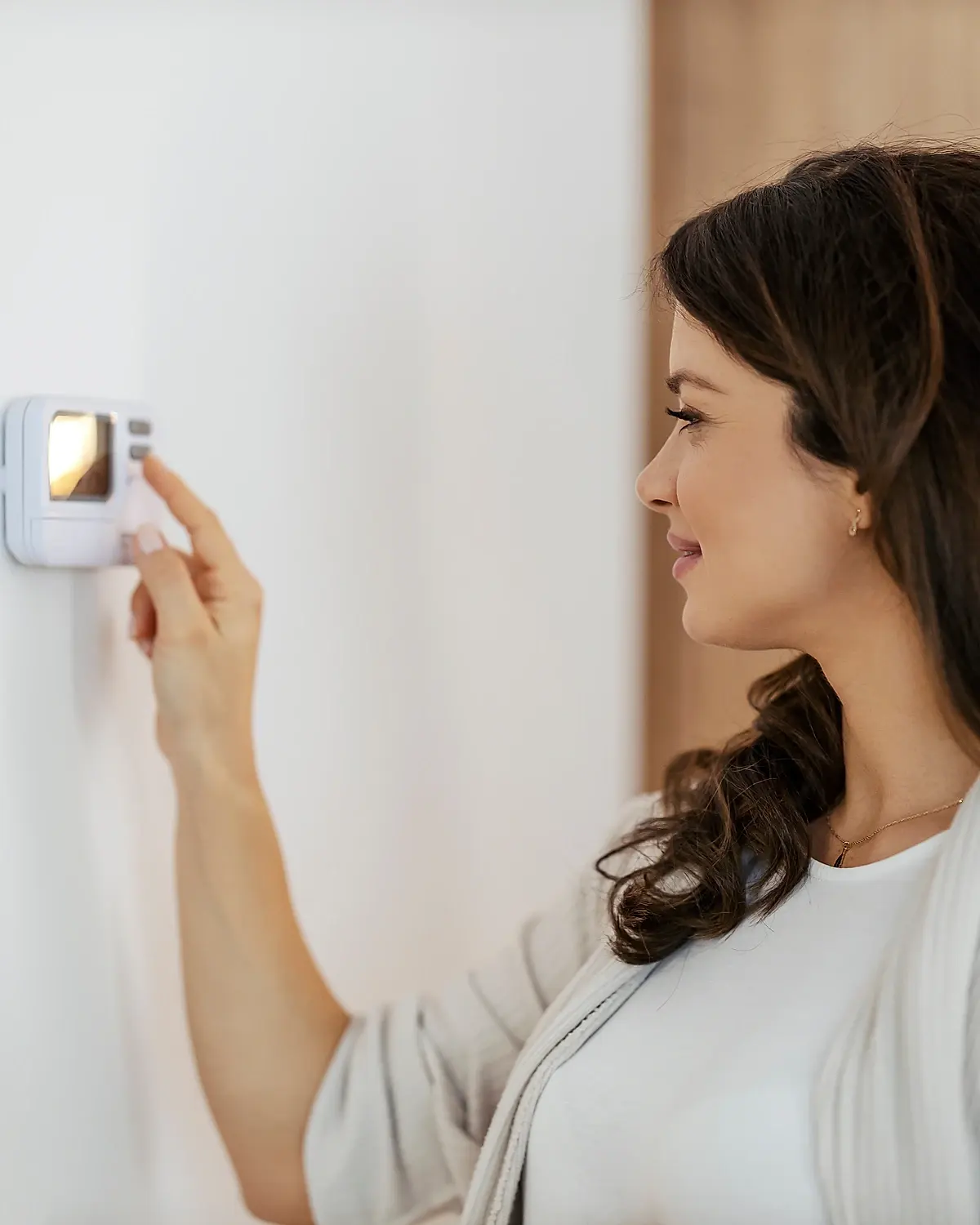
Some sound is normal: a hum from the inducer motor when the heat kicks on, and a few ticks from the ducts as they warm up. A new or louder noise is worth a call, because it usually points to one part.
What the noise usually means
- Bang at startup: delayed ignition
- Squeal: blower belt or bearings
- Rattle: a loose panel or duct
- Steady buzz: a motor or capacitor
A bang every time the burners light is the one not to ignore. It means gas is building up before it lights, and a pro should look at it before the next cold night.
Repair or replace
When a furnace repair stops making sense
Start with the $5,000 rule: multiply the furnace's age in years by the repair quote. Under 5,000 usually favors repair; over 5,000 is the point to price a new one. A newer furnace with a small repair stays well under the line, while a big repair on an older one can push it over.
Signs replacement may make sense
- It's more than 15 years old
- A cracked heat exchanger
- A repair every winter
- Gas bills keep climbing
Age matters too. Most furnaces last 15 to 20 years, and ENERGY STAR suggests weighing a replacement once one passes 15. A cracked heat exchanger usually settles it: it's a carbon monoxide risk, and on an older furnace the repair often isn't worth it.
Yuba City winters
Furnace repair in Yuba City winters
Days here stay mild, but January nights average 38° at the Marysville station, and tule fog settles over the valley from about mid-October to mid-April. Furnaces work hardest on those damp, still mornings, so most heating repair in Yuba City happens in those months.
Get your furnace ready
- Book a tune-up each fall
- Start the season with a new filter
- Test your CO alarms
- Keep the area around the furnace clear
Take gas seriously. If you smell gas, leave the house and call 911 or PG&E at 1-800-743-5000 from outside. If a carbon monoxide alarm goes off, get everyone out first, then call. Every home with a gas furnace needs a working CO alarm.
Safe checks
A few things to try before you call
If your system still won’t run after these checks, call and tell the pro what you already tried. It saves time on the visit.
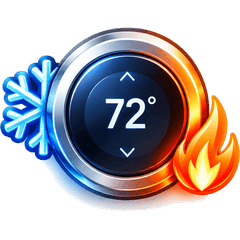
Check the thermostat
Set it to Heat, a few degrees above the room, with the fan on Auto and fresh batteries.
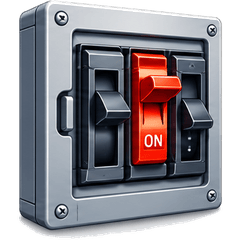
Check the power
Make sure the furnace switch is on and the breaker hasn't tripped. Reset it once only.
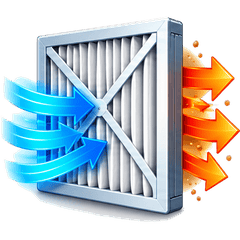
Change the filter
A clogged filter can make the furnace overheat and shut off. Swap it if it looks gray.

Clear the vents
Open the supply vents and move rugs or furniture off them so the warm air gets out.
Can it wait?
When furnace repair can't wait
Some furnace problems can wait for a weekday. Others shouldn’t sit overnight. These signs show which is which.
Call right away
- You smell gas: leave first, then call 911 or PG&E from outside
- A carbon monoxide alarm goes off
- No heat on a near-freezing night, with babies, older adults, or anyone ill at home
- A burning or electrical smell that doesn’t fade
It can wait a day
- It heats, just not as well as it used to
- A new noise, but it still runs and heats
- A dusty smell for the first hour of the season
- Gas bills higher than last winter
How it works
How to get HVAC repair in three steps
Getting your AC or furnace fixed shouldn’t be a hassle. Make one call, and you’ll know where you stand.
- 01
Call the number
Say what your AC or furnace is doing and which town you’re in. There’s no form to fill out before you call.
- 02
Talk to a pro
An HVAC pro asks a few questions, explains what’s most likely wrong, and tells you what it will take to fix.
- 03
Decide on the fix
Get a quote for the repair or the replacement, then choose what’s right for your home and your budget.
Areas covered
Furnace repair across Yuba-Sutter
Furnace repair for homes in Yuba City, Marysville, Olivehurst, Plumas Lake, Live Oak and nearby. Pick your town.
- Yuba City
- Marysville
- Olivehurst
- Plumas Lake
- Live Oak
Common questions
Furnace repair questions answered
Quick answers to the questions people search for most about this repair, and when it’s time to call.
Once a year, in the fall before the first cold nights, as ENERGY STAR recommends. HVAC companies get busy once winter arrives, so booking early is easier. Check the filter every month through the heating season.
ENERGY STAR's checklist covers the gas connections, gas pressure, burner combustion, and heat exchanger, plus the thermostat, electrical connections, moving parts, and the condensate drain. The filter should be checked too, and the pro should tell you if any part is close to failing.
Dust settles on the burners over the summer and burns off the first time the heat runs, so a dusty smell for up to an hour is normal. If it lasts longer, smells like plastic or wiring, or comes back every day, turn the furnace off and call. A rotten-egg smell means gas: leave the house first.
The water usually comes from the AC, not the furnace. The AC's indoor coil sits right on top of the furnace, and when its drain line or drain pan clogs, the water spills out around the furnace. A high-efficiency furnace has its own drain that can clog too. Turn the system off and call.
If it's under 15 years old and the repair is modest, repair usually wins. Past 15 years, or with a cracked heat exchanger, start pricing a new one. The $5,000 rule helps: multiply the furnace's age by the repair quote, and over 5,000 points toward replacing it.
Most gas furnaces last 15 to 20 years, according to Carrier and Lennox, and well-kept ones can go longer. Yearly tune-ups, regular filter changes, and fixing small problems early all help it reach the long end of that range.
It can be, with care. Keep it at least 3 feet from beds, curtains, and furniture, plug it straight into a wall outlet, and turn it off when you leave the room or go to sleep. Never heat the house with an oven, stove, or grill: they can fill it with carbon monoxide.
No. Yuba HVAC Pros is a referral service, not a contractor. Your call goes to an independent local HVAC company that covers your ZIP code, and that company or the call network may pay this site a fee. You never pay this site. Before you hire anyone, check their C-20 license at cslb.ca.gov.
Other services
More HVAC help in Yuba City
Your furnace handles the winter, but the AC takes over in summer. If it’s the cooling that’s out, an emergency, or a system that’s past saving, start with these guides.
Emergency HVAC
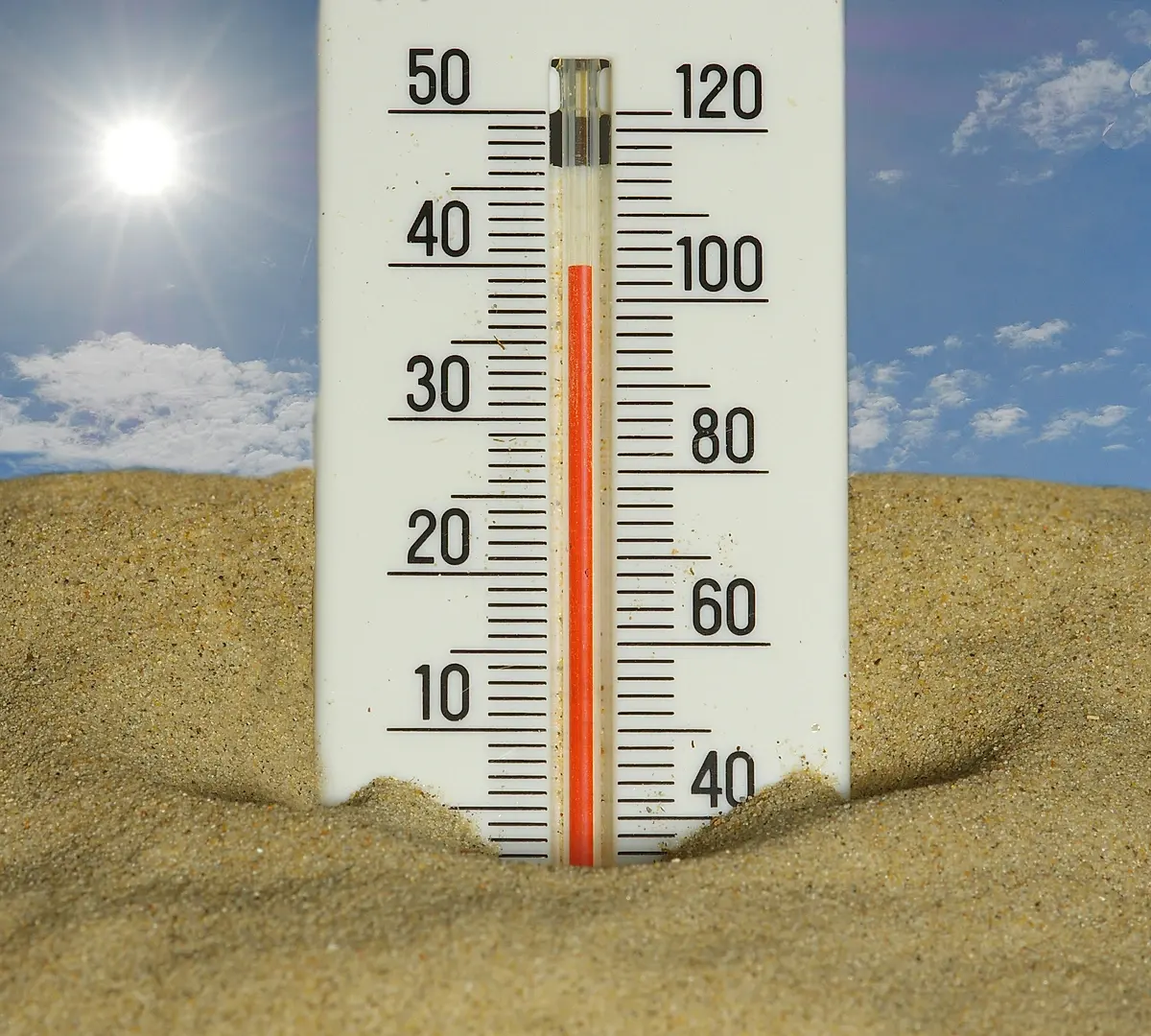
When your AC quits in a heat wave or the heat goes out on a freezing night, get emergency help here.
Get emergency help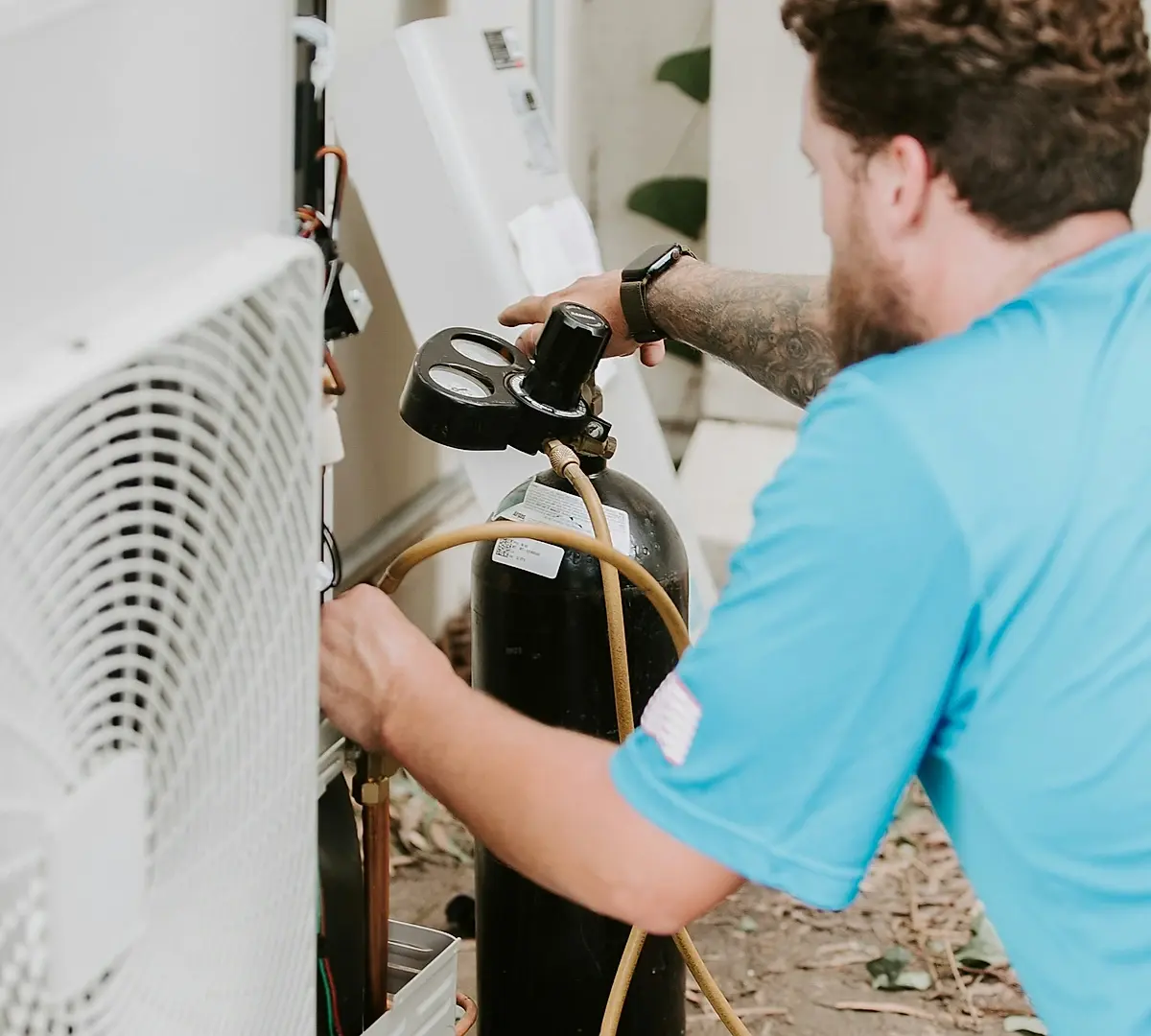
AC repair
Blowing warm air, leaking water, or won’t turn on? Get AC repair and get your home cool again.
Get AC repair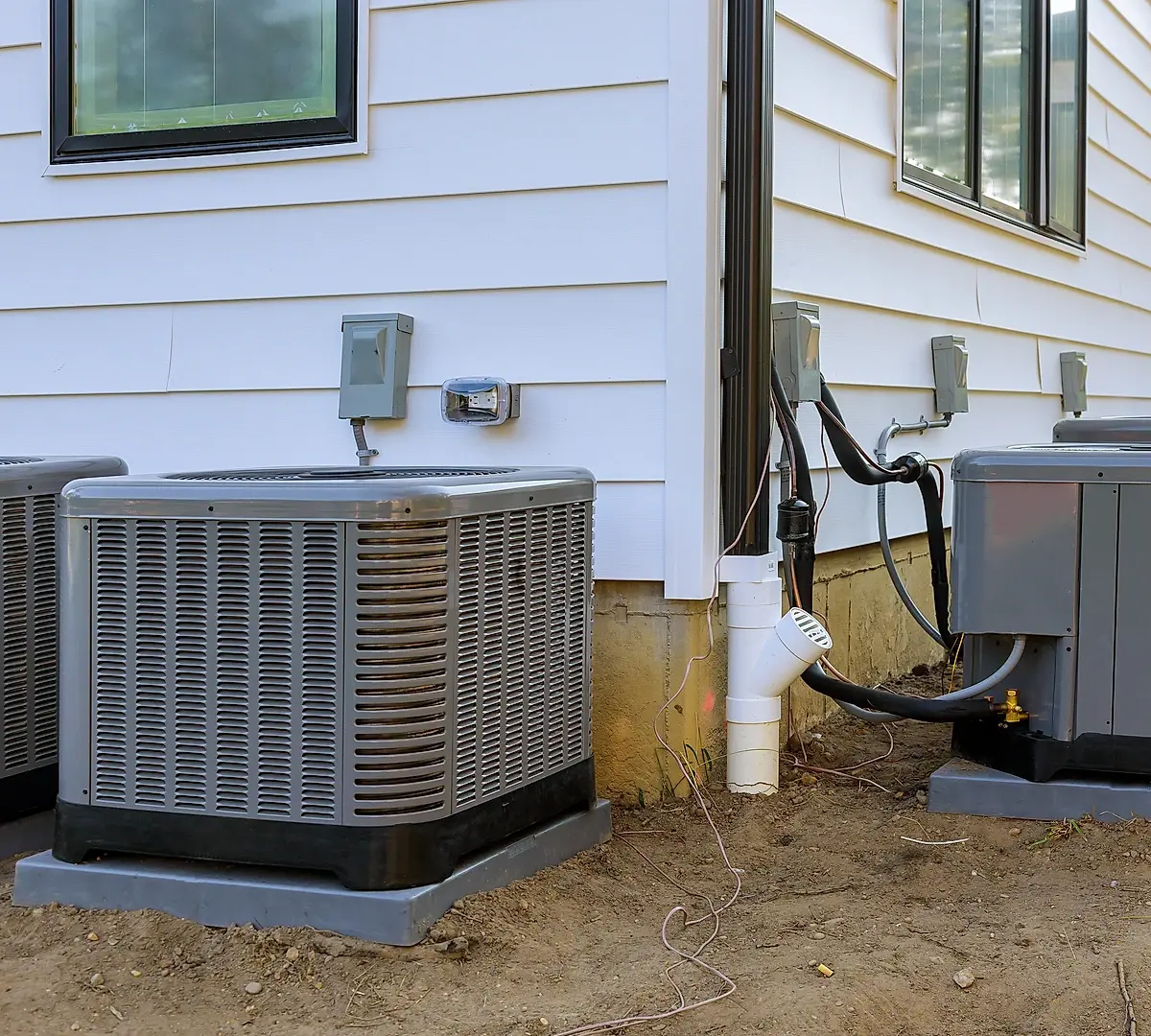
AC replacement
Ready for a new AC? AC replacement can cool every room evenly and bring your summer power bills down.
Plan a replacement
Talk to an HVAC pro
Call for heating and air repair
One call covers AC repair, furnace repair, emergencies, and new systems across Yuba City, Marysville, and nearby towns.
Heating and AC repair
Call about any heating or cooling problem, in any season.
Talk to an HVAC proCall back
Busy right now? Leave your number and get a call back.
Have a pro call meEmergency
AC out in a heat wave, or no heat on a cold night?
Get emergency help
New system
Repair bills adding up? See if it’s time to replace.
Plan a replacement