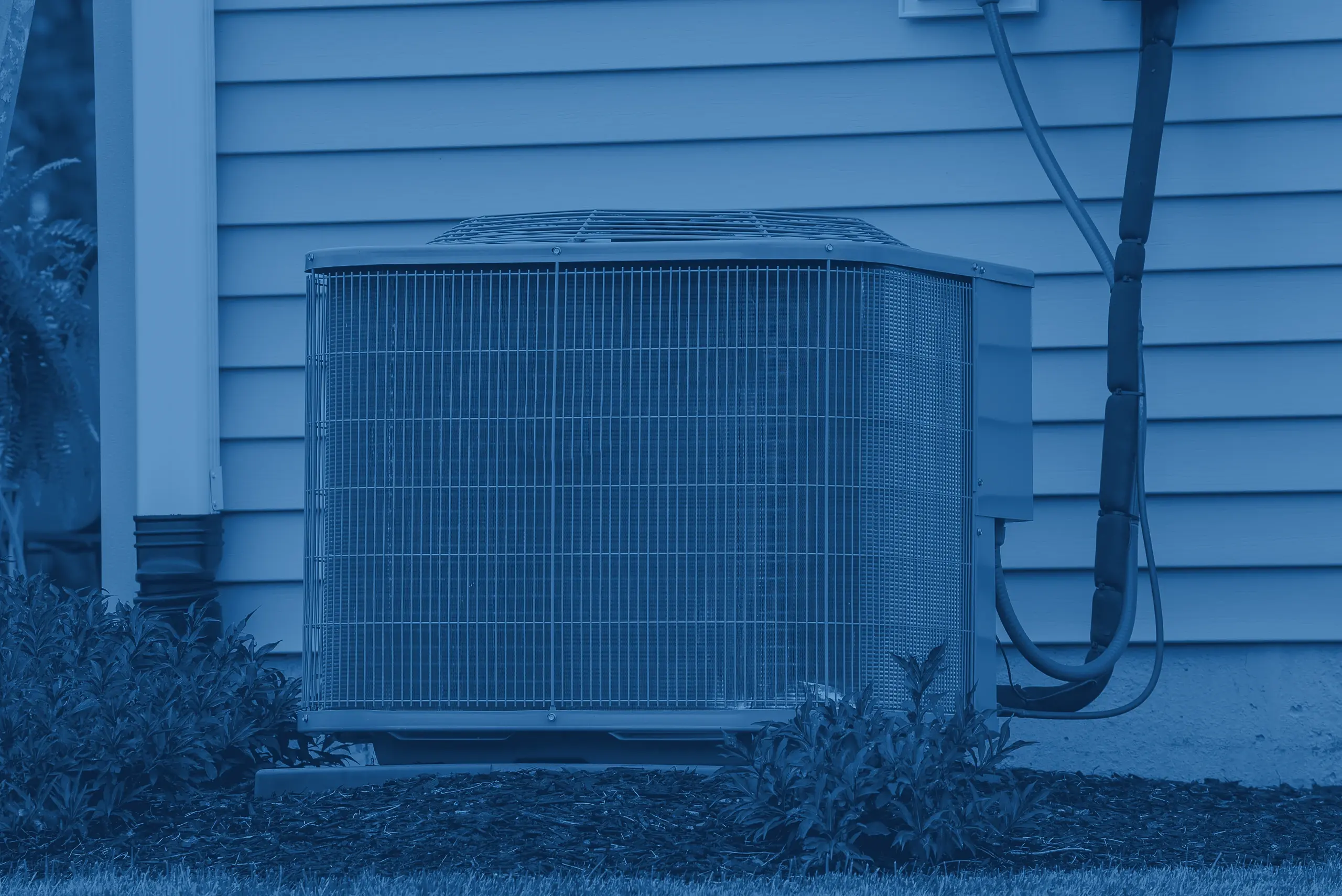
Yuba City AC repair
AC blowing warm air, freezing up, or leaking inside? Find the likely cause, try a few safe checks, and get AC repair in Yuba City with one call.
 Find your problem
Common AC problems and their causes
Pick the problem that matches what your AC is doing. Each one explains the usual cause, what you can safely check, and what the pro looks at.
AC not cooling
Why is my AC blowing warm air?
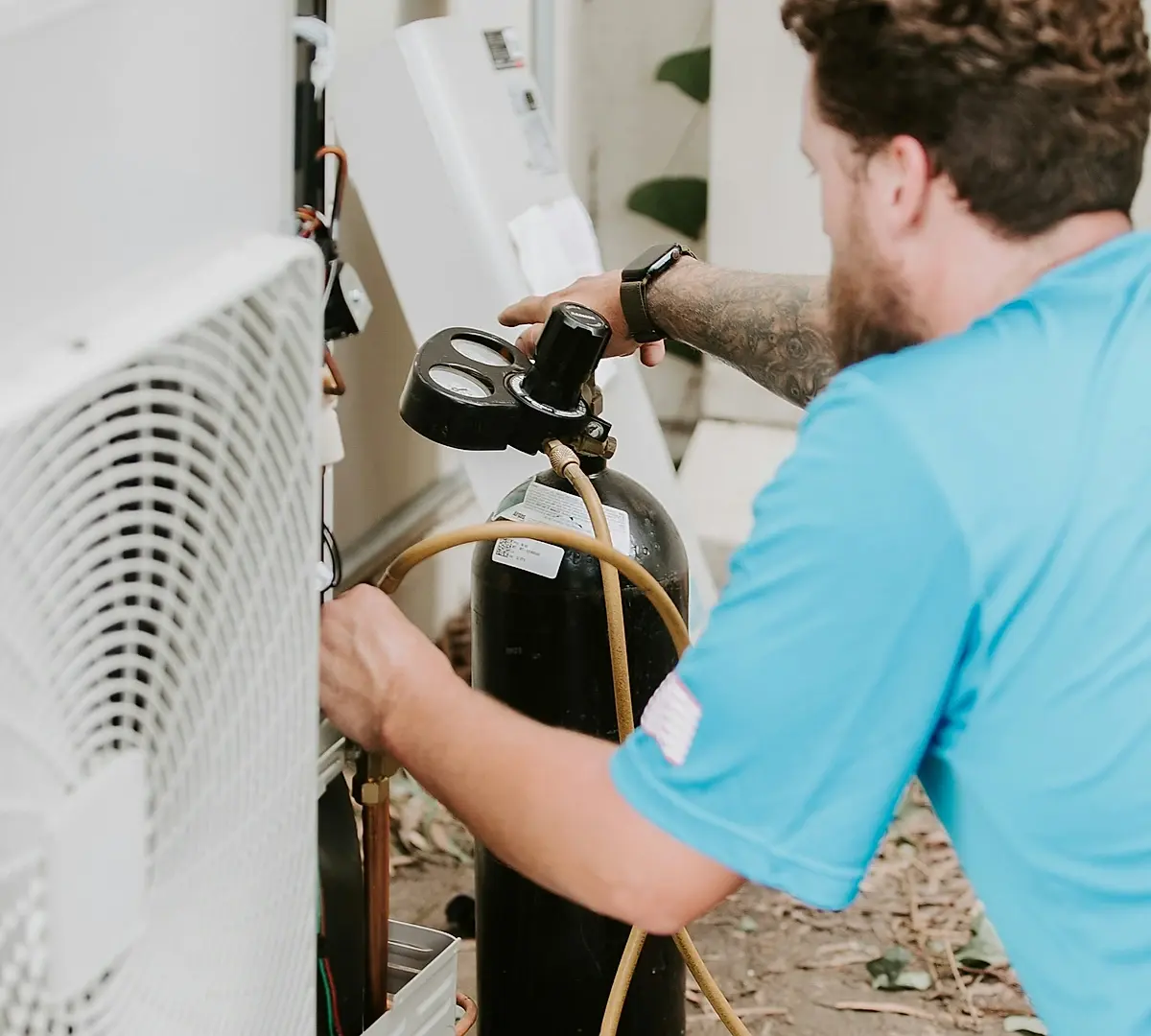
The usual cause is the capacitor that starts the compressor and outdoor fan, a part that wears out from long run hours. When it weakens, the fan hums but won't spin, or the outdoor unit doesn't start at all, and the air inside turns warm.
What the pro usually checks
- Capacitor and contactor
- Refrigerant pressures
- Condenser coil and fan
- Thermostat wiring
Other common causes are a stuck contactor, a refrigerant leak, or a condenser coil so packed with dust and debris that it can't shed heat. A capacitor is a quick fix; a leak or a failed compressor is a bigger job.
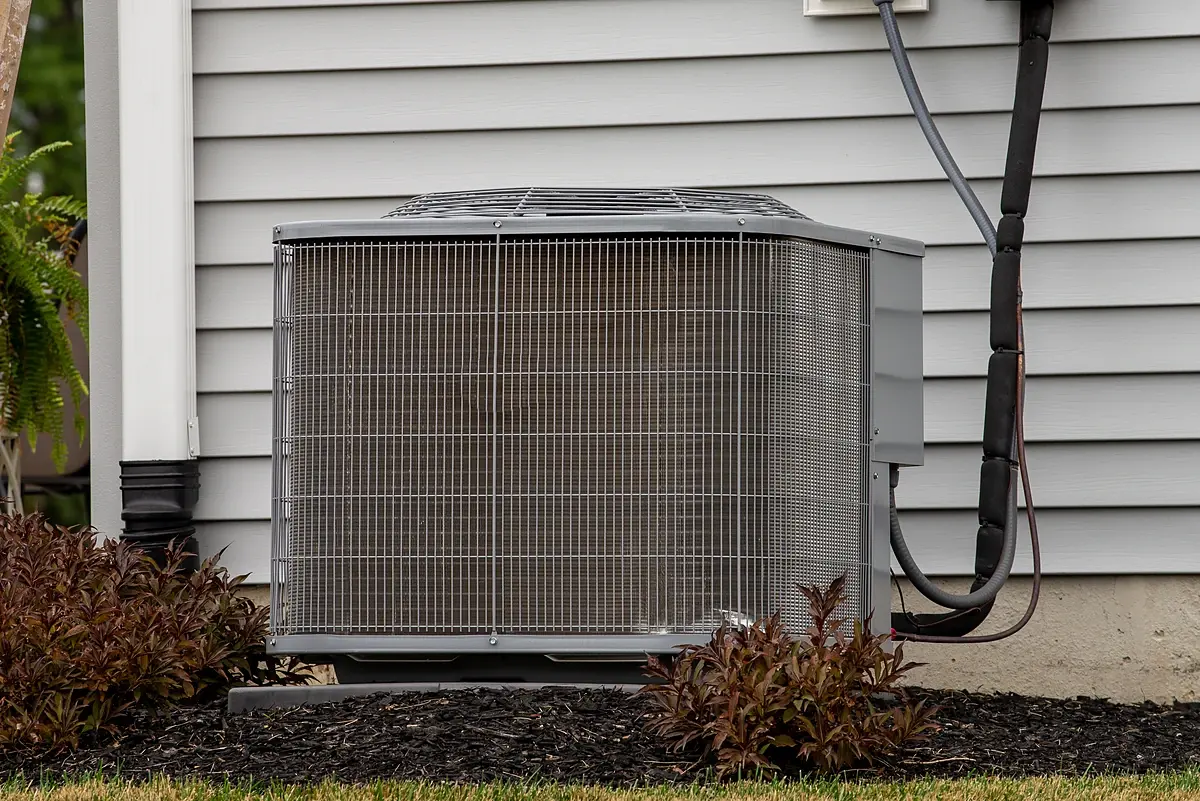
Short cycling
Why does my AC keep turning off?
Turning on and off every few minutes is called short cycling, and the most common cause is a clogged filter. Starved of air, the system overheats and shuts itself off to stay safe, then starts again a few minutes later.
Common causes
- Clogged air filter
- Thermostat in sun or a draft
- Low refrigerant from a leak
- An AC too big for the house
A thermostat in direct sun or near a draft can do it too, because it reads the wrong temperature. If the filter and thermostat check out, the pro looks for low refrigerant from a leak, an electrical fault, or an AC that’s too big for the house.
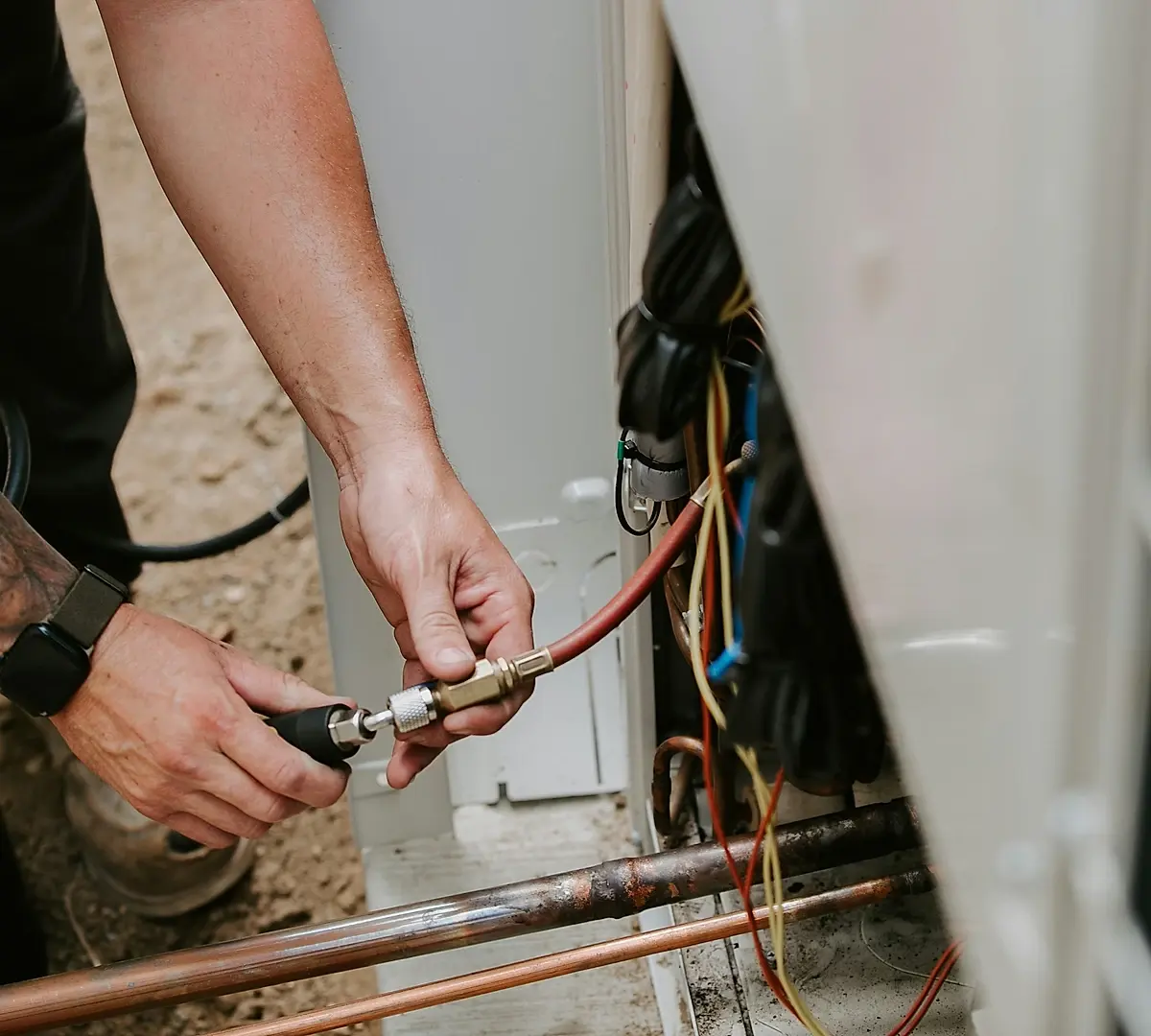
Ice on the lines
Why is my AC freezing up?
Ice on the copper lines or the indoor coil means the coil got colder than freezing. Most often that's weak airflow: a clogged filter, closed vents, or a blower that isn't moving enough air. Low refrigerant from a leak does the same thing.
Common causes
- Dirty or clogged filter
- Blocked return or closed vents
- Low refrigerant from a leak
- Weak blower motor
Switch the thermostat to Fan only and let the ice melt before anything else. Running the AC frozen can damage the compressor, and chipping at the ice can puncture the coil.
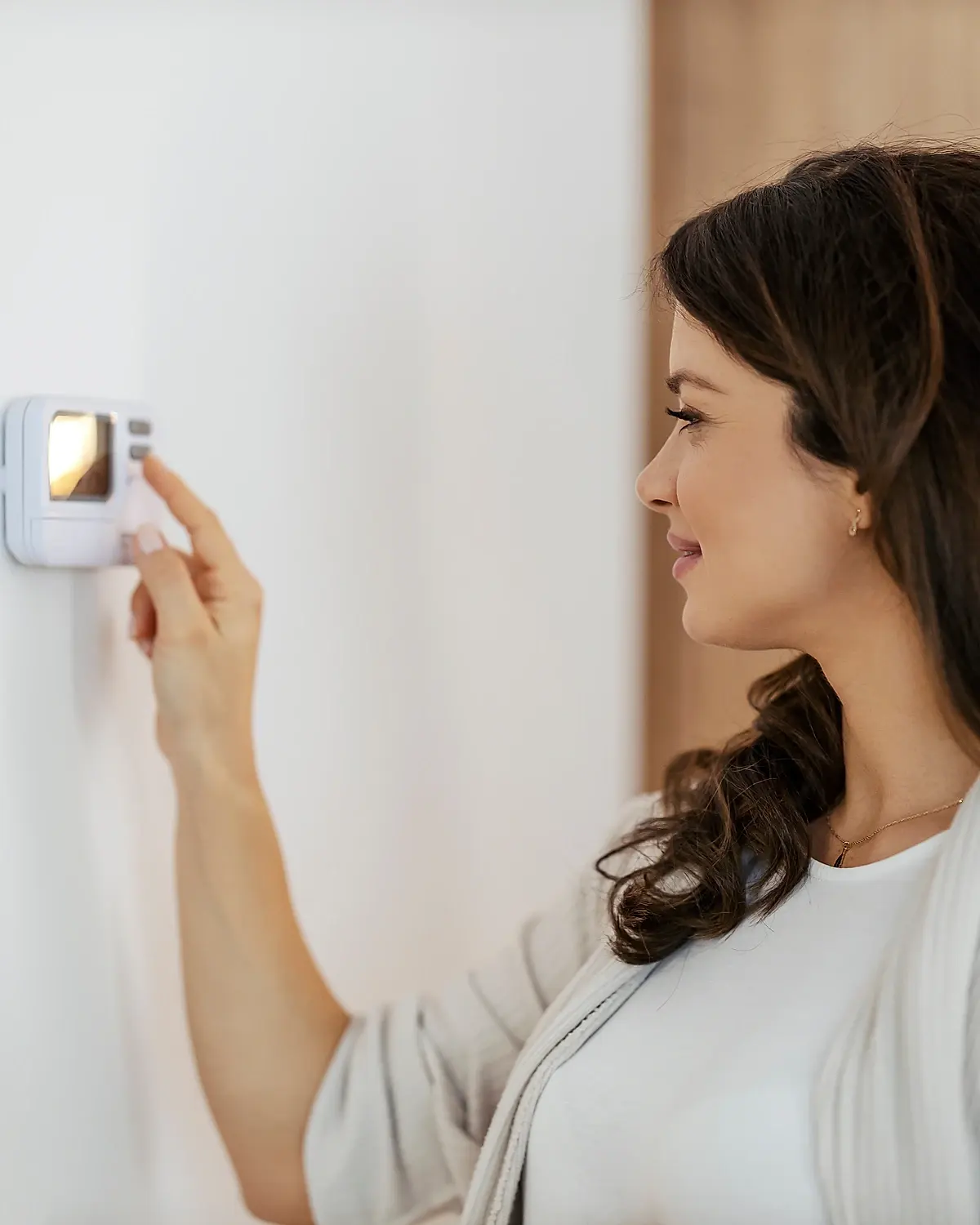
Water near the unit
Why is my AC leaking water inside?
Your AC pulls water out of the air and drains it away. When the drain line clogs with algae or the drain pan cracks, that water backs up and spills near the indoor unit, often in a closet, attic or garage.
Where the water comes from
- Clogged condensate drain line
- Cracked or rusted drain pan
- Thawing ice on the coil
- Failed condensate pump
A frozen coil that's thawing can also drip more than the pan can hold. Turn the system off, mop up, and check the filter; the pro can clear the line and find the cause. If water is spreading toward floors or ceilings, treat it as an emergency.
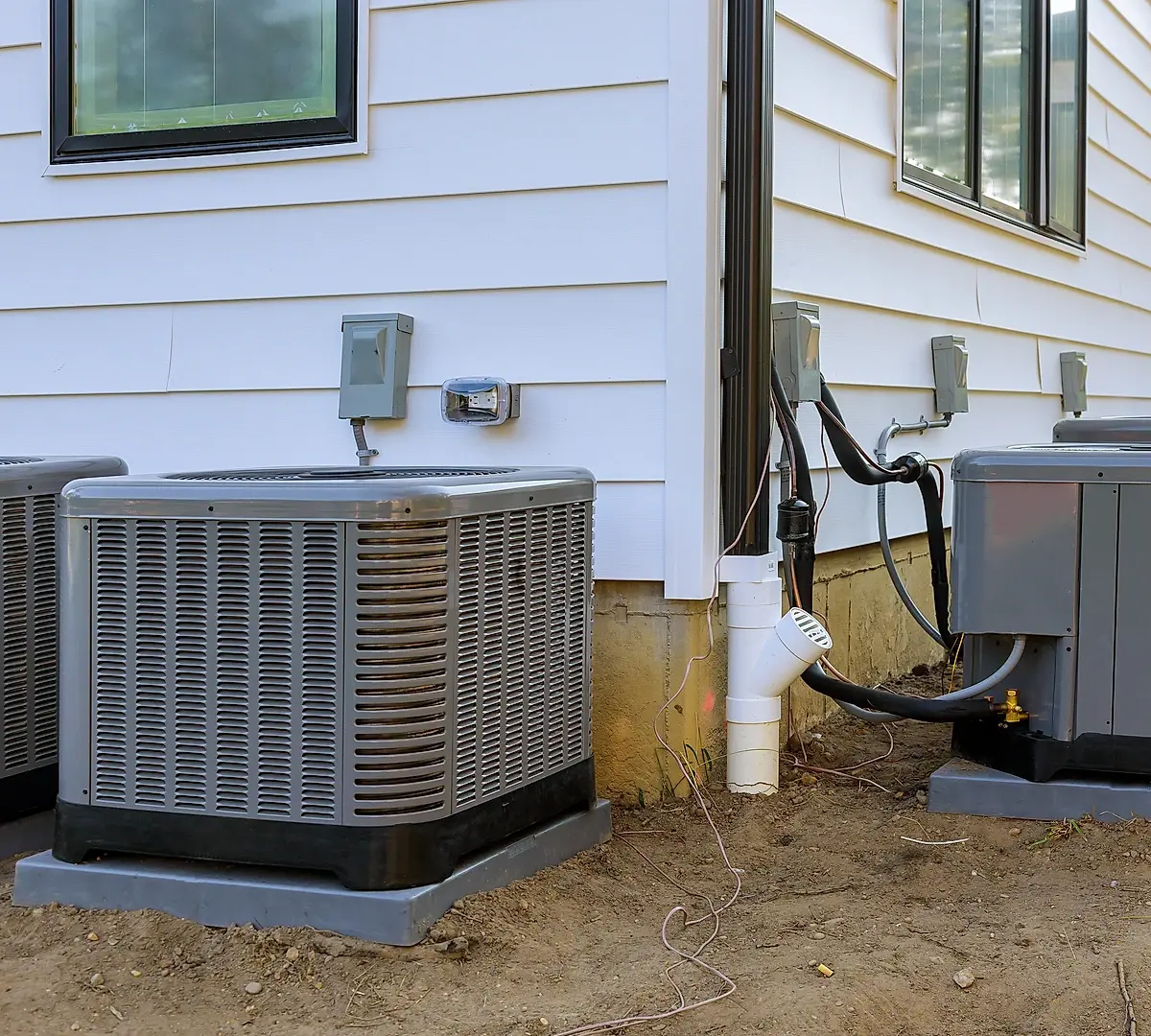
Repair or replace
When a repair stops making sense
Start with the $5,000 rule: multiply your system's age in years by the repair quote. Under 5,000 usually favors repair; over 5,000 is the point to price a new system. So a newer system with a small repair stays well under the line, while a big repair on an older one can push it over.
Signs replacement may make sense
- Over 15 years old
- Repeated refrigerant leaks
- Compressor failure
- Repair bills every summer
Leaks on older systems tip the math further. New systems no longer use R-410A, and supply of it is being cut by law, so keeping a leaking R-410A system going gets harder to justify each year. When the numbers point that way, the AC replacement guide covers what comes next.
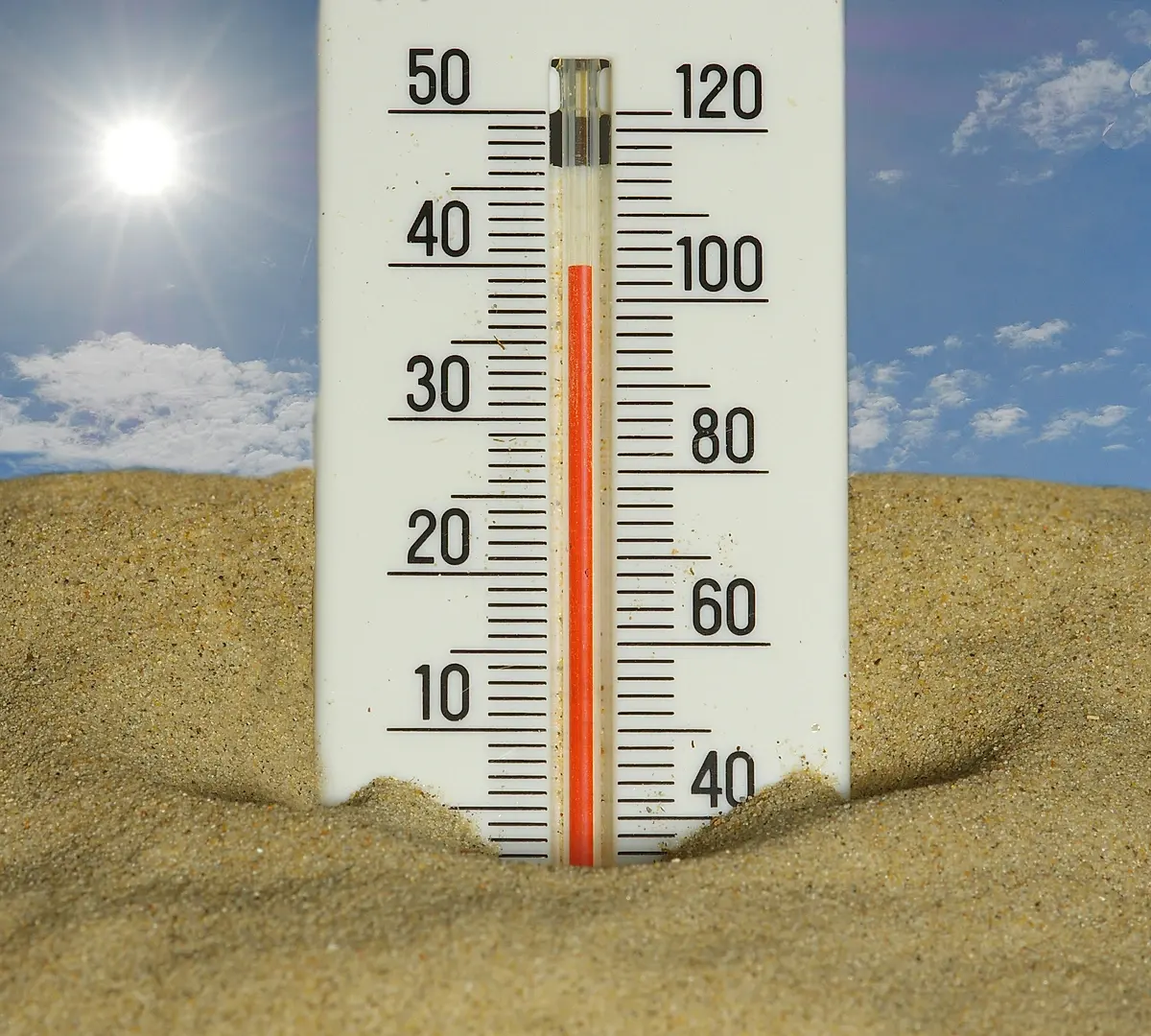
Yuba City summers
AC repair in Yuba City's summer heat
Yuba City summers are long and hot. July highs average 96° at the Marysville station, and Sacramento, 40 miles south, sees about two dozen days over 100° in a typical year. Hours of nonstop running are what wear out capacitors, contactors, and fan motors, so most air conditioning repair in Yuba City happens in the summer months.
Help your AC through the heat
- Book a tune-up each spring
- Check the filter every month
- Set the thermostat to 78°
- Keep weeds and debris off the unit
If your AC quits on a 100° afternoon, close the blinds, run fans, and keep everyone drinking water while you wait. In past heat waves, Sutter County has opened a cooling center at the Veterans Hall in Yuba City, so check the county’s alerts if your home gets too hot.
Safe checks
A few things to try before you call
If your system still won’t run after these checks, call and tell the pro what you already tried. It saves time on the visit.
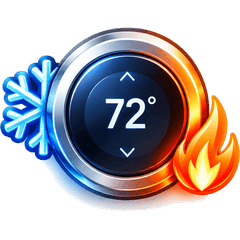
Check the thermostat
Set it to Cool, a few degrees below the room, and put in fresh batteries if the screen is dim.
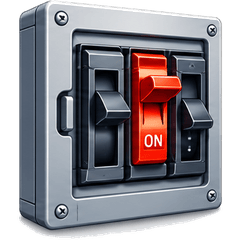
Check the breaker
Reset a tripped AC breaker once. If it trips again, leave it off and tell the pro.
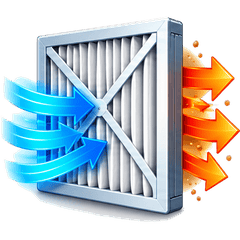
Change the filter
A clogged filter starves the coil of air. Swap it if you can't see light through it.
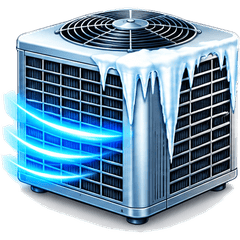
Thaw it, then wait
Iced up? Run Fan only until it melts. After a shutoff, wait 3 minutes before restarting.
Can it wait?
When AC repair can't wait
Some AC problems can wait for a weekday. Others shouldn’t sit overnight. These signs show which is which.
Call right away
- No cooling in a heat wave, with babies, older adults, or anyone ill at home
- A burning smell, smoke, or sparks from the unit
- The breaker trips again after one reset
- Water spreading toward floors, walls, or ceilings
It can wait a day
- It cools, just not as well as it used to
- A new noise, but it still runs and cools
- A small drip that stays in the drain pan
- Power bills higher than last summer
How it works
How to get HVAC repair in three steps
Getting your AC or furnace fixed shouldn’t be a hassle. Make one call, and you’ll know where you stand.
- 01
Call the number
Say what your AC or furnace is doing and which town you’re in. There’s no form to fill out before you call.
- 02
Talk to a pro
An HVAC pro asks a few questions, explains what’s most likely wrong, and tells you what it will take to fix.
- 03
Decide on the fix
Get a quote for the repair or the replacement, then choose what’s right for your home and your budget.
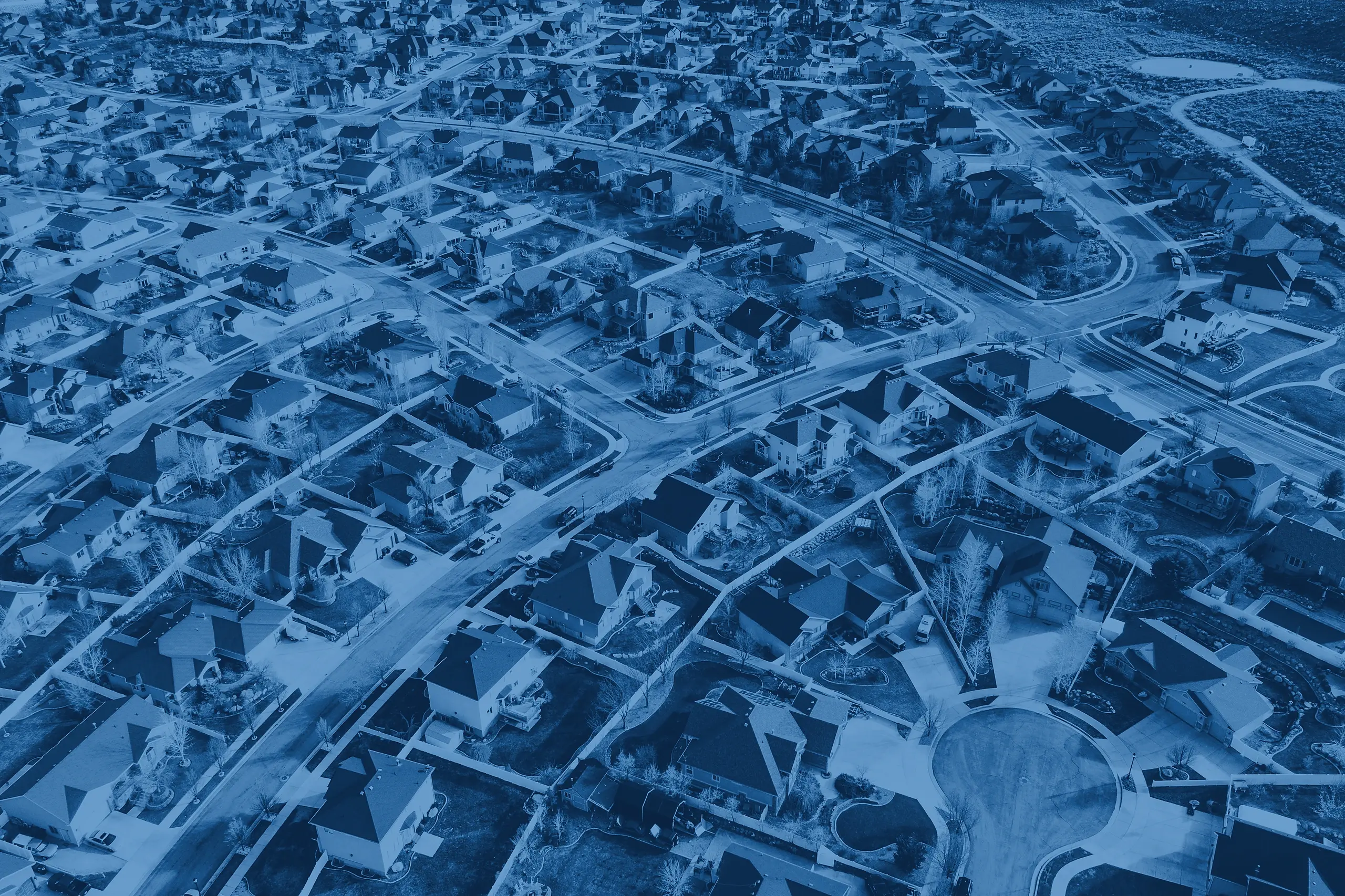
Areas covered
AC repair across Yuba-Sutter
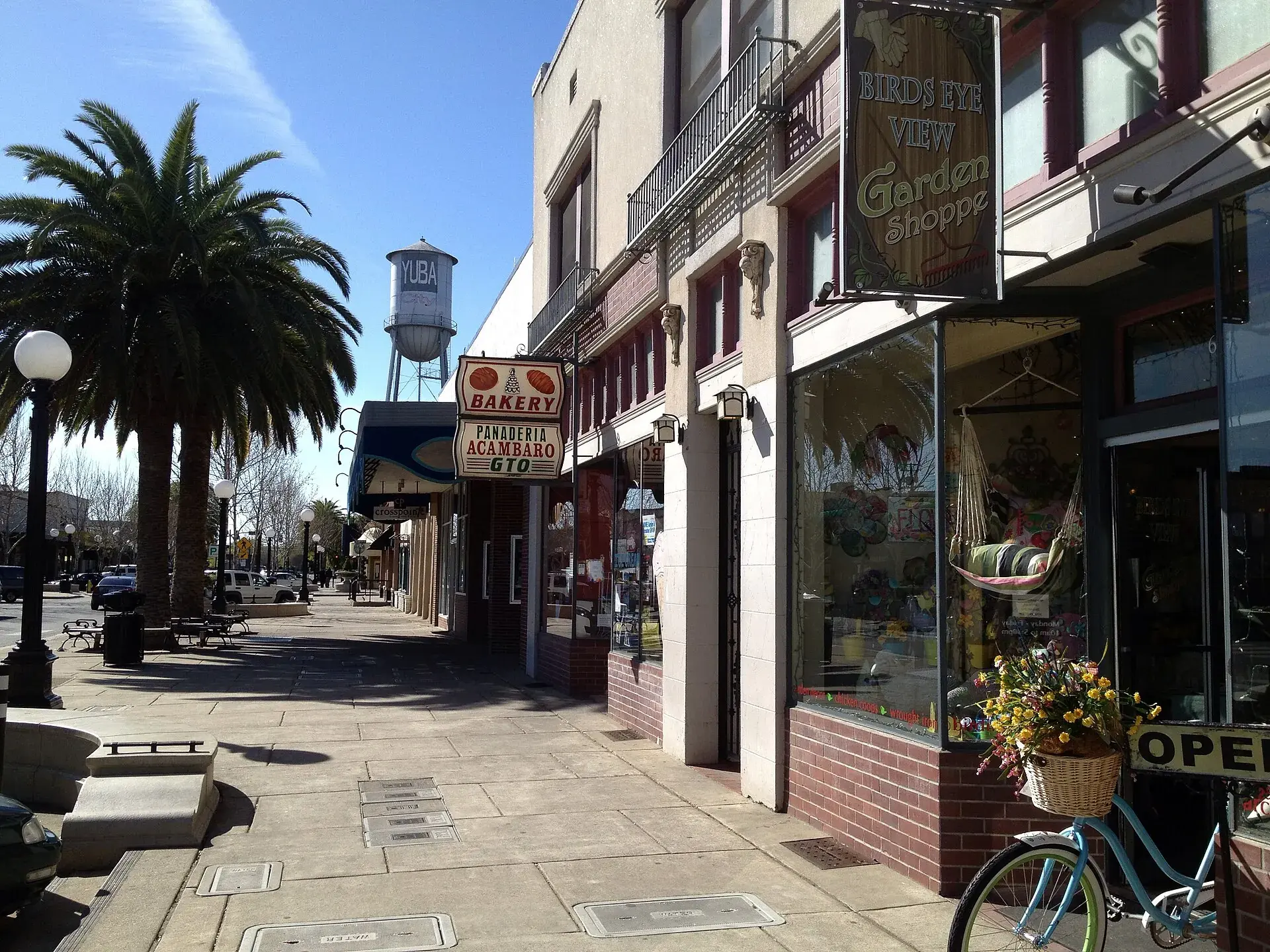
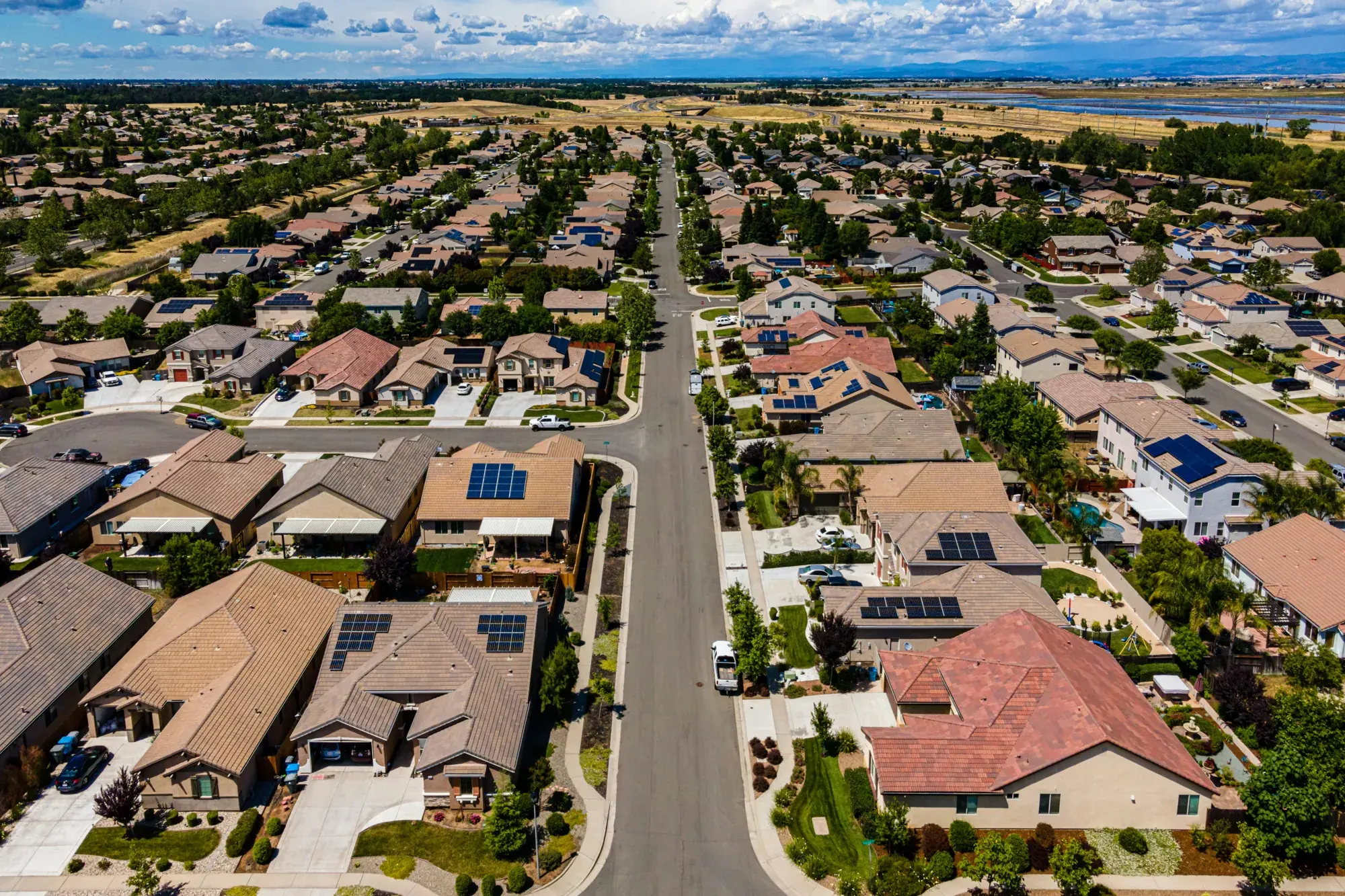
AC repair for homes in Yuba City, Marysville, Olivehurst, Plumas Lake, Live Oak and nearby. Pick your town.
- Yuba City
- Marysville
- Olivehurst
- Plumas Lake
- Live Oak
Common questions
AC repair questions answered
Quick answers to the questions people search for most about this repair, and when it’s time to call.
Once a year, in spring before the heat arrives, as ENERGY STAR recommends. A tune-up checks the refrigerant, the electrical parts, the coils, and the drain line, so a weak part shows up before a 100° afternoon does. Check the filter every month in between.
A musty smell usually means mold or mildew where water collects: a clogged drain line, standing water in the drain pan, or a damp, dirty indoor coil. A dirty filter adds to it. Change the filter first. If the smell stays, have the drain and coil cleaned, especially if anyone at home has asthma or allergies.
Often 10 to 20 years, but heat shortens that, so capacitors in the Sacramento Valley often fail sooner. Signs of a weak one include an outdoor unit that hums but won’t start, weak cooling, and short cycling. A capacitor holds a charge even with the power off, so leave testing and replacing it to a pro.
After your AC shuts off, wait about 3 minutes before turning it back on. The pause lets refrigerant pressures even out so the compressor doesn’t restart under strain. Many thermostats add this delay for you, so a short wait before the outdoor unit starts is normal.
Yes. Carrier calls a clogged filter a leading cause of AC shutdowns. It starves the indoor coil of air, so the AC can freeze up, overheat and shut itself off, or cool poorly. Hold it up to a light: if you can’t see through it, replace it. ENERGY STAR says to check it monthly and change it at least every 3 months.
Yes, for new equipment. Since January 2025, new home AC systems use newer refrigerants such as R-454B or R-32. Existing R-410A systems can still be repaired, but federal law keeps cutting the supply, so leak repairs on older units are expected to get harder to justify over time.
A well-kept central AC usually lasts 15 to 20 years, according to Lennox, but long, hot summers wear units out sooner. ENERGY STAR suggests weighing a replacement once an AC passes 10 years, especially if repairs or power bills keep climbing. Yearly tune-ups and regular filter changes help it reach the long end.
No. Yuba HVAC Pros is a referral service, not a contractor. Your call goes to an independent local HVAC company that covers your ZIP code, and that company or the call network may pay this site a fee. You never pay this site. Before you hire anyone, check their C-20 license at cslb.ca.gov.
Other services
More HVAC help in Yuba City
Your AC handles the summer, but the furnace takes over in winter. If it’s the heat that’s out, an emergency, or an AC that’s past saving, start with these guides.

Furnace repair
Furnace repair to get the heat back on when the vents blow cold air or the furnace won’t light.
Get furnace repair
Emergency HVAC
When your AC quits in a heat wave or the heat goes out on a freezing night, get emergency help here.
Get emergency help
AC replacement
Ready for a new AC? AC replacement can cool every room evenly and bring your summer power bills down.
Plan a replacement
Talk to an HVAC pro
Call for heating and air repair
One call covers AC repair, furnace repair, emergencies, and new systems across Yuba City, Marysville, and nearby towns.
Heating and AC repair
Call about any heating or cooling problem, in any season.
Talk to an HVAC proCall back
Busy right now? Leave your number and get a call back.
Have a pro call meEmergency
AC out in a heat wave, or no heat on a cold night?
Get emergency help
New system
Repair bills adding up? See if it’s time to replace.
Plan a replacement